

Eilidh Cooney is a career changer based in Perth, Scotland. She currently works part-time for a rewilding charity and volunteers for various conservation projects. Here, she tells us about her recent experience after being awarded one of the Mammal Society’s Golden Tickets.
Switching careers into ecology is a challenge. It can often feel that there is an overwhelming amount to learn, in addition to the financial repercussions of having to spend money on training and courses. For me, the Golden Ticket scheme looked like the ideal opportunity to fund training about one of our most important but controversial mammals - beavers. I was delighted to receive the email to say I had won a Golden Ticket for the Beaver Ecology Conservation day at Argaty Red Kites, Perthshire.
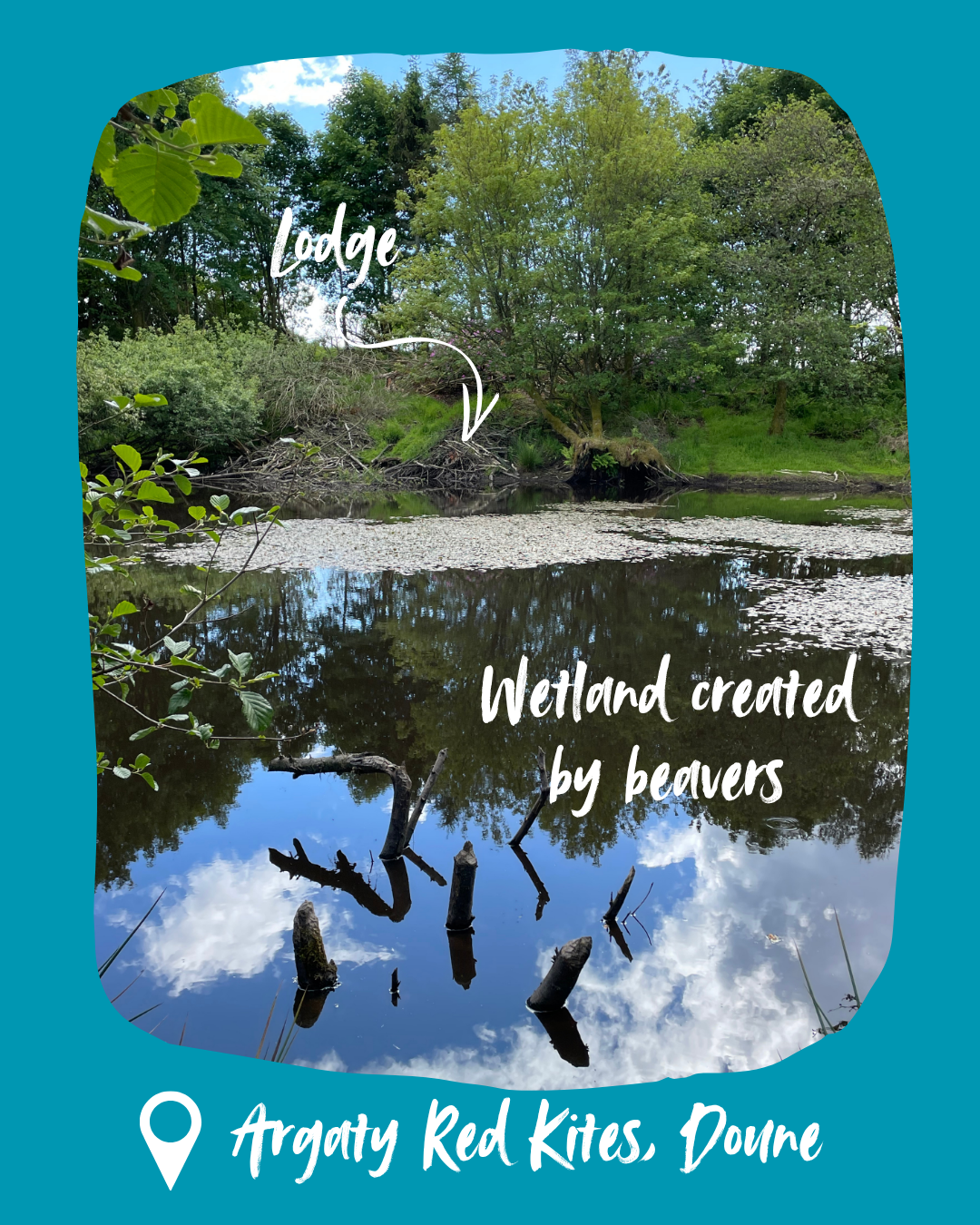
Beaver wetland by Eilidh Cooney.
I had last visited Argaty to enjoy the aerial displays of red kites and was looking forward to going back to find out more about their newest residents. Argaty introduced beavers back in 2021 and ever since they have reaped the benefits. But before we could get out into the field to see what magic the beavers had worked, Alana from The Beaver Trust set the scene by telling us all about beaver ecology, field signs, and the benefits of beavers.
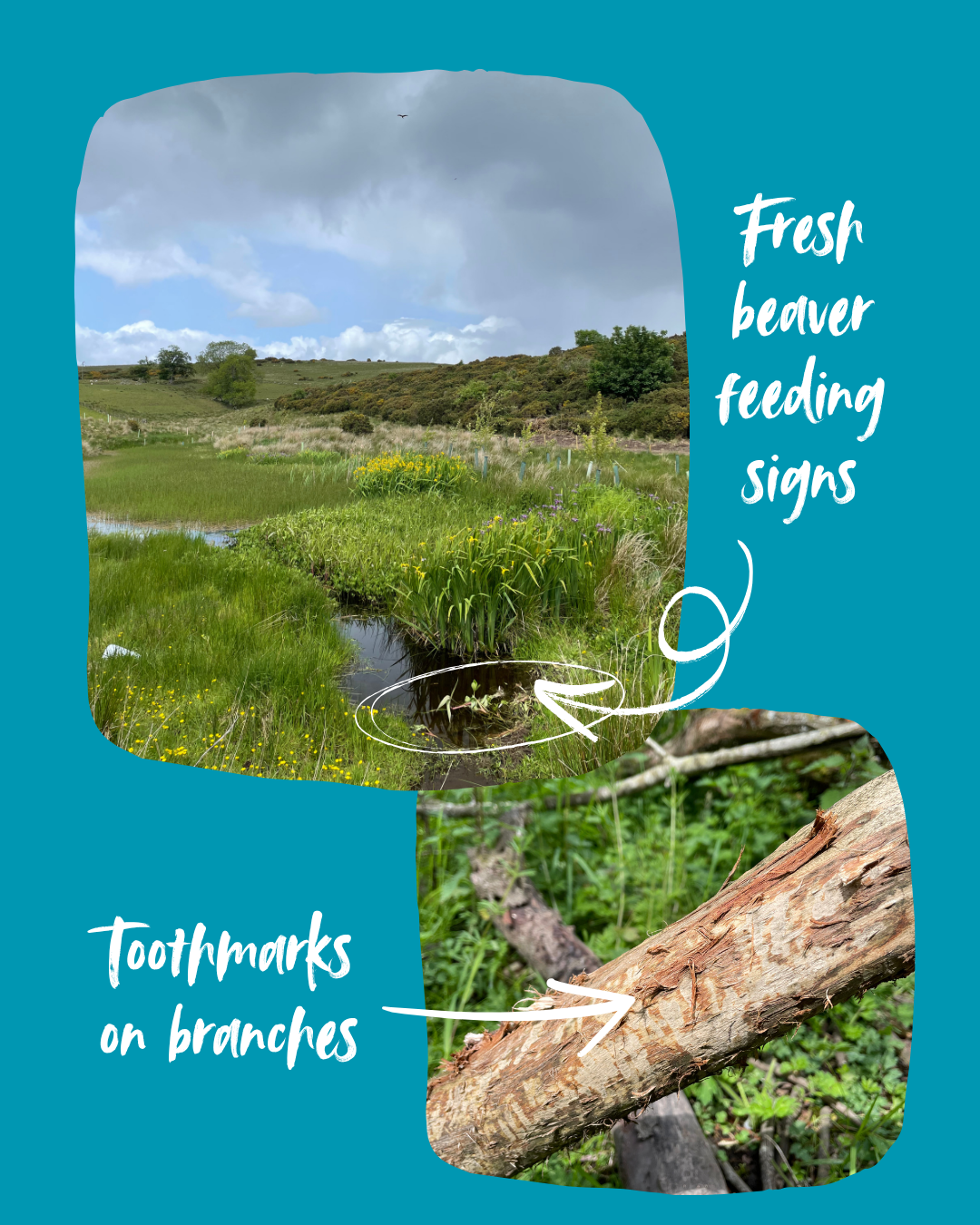
Beaver Field Signs by Eilidh Cooney.
Although I’m lucky to live in Perthshire and regularly see beaver signs, I learned a huge deal from the course - for example, how to distinguish fresh from old signs, about territorial beaver scent mounds, and how beavers have a specialised grooming claw. We learned about the diverse habitats beavers helped to create, and the mitigations possible when their habitat creating clashed with human intent. The session was packed full of useful information and suitably challenging quizzes to keep us on our toes.
The highlight though was getting to take a look around Argaty, led by owner, author and general beaver advocate, Tom Bowser. As red kites soared above our heads, we saw beaver lodges, fresh feeding signs and prints in the mud. We spotted many felled trees, with distinctive sharp points left with gnawed chunks and, in places, fresh wood chips. However, we also witnessed how these trees were regrowing with great fervour as they had been coppiced. It was also clear how beavers had altered the landscape through their dams, felling and channels. Bright blue damselflies darted around us as fish leapt out the water and tadpoles wiggled in sunny pools - there was clearly a huge amount of biodiversity here.
Tom also showed us how water quality had improved at Argaty, with water that was once brown and murky now running clear. Flooding which had previously caused massive issues for the farm had been dramatically reduced. He took us to a spot which had repeatedly been causing issues in the winter, where they had spent hundreds of pounds each year to repair a track that kept washing out, as well as investing time and effort. But since the beavers had arrived, they no longer had to do this.
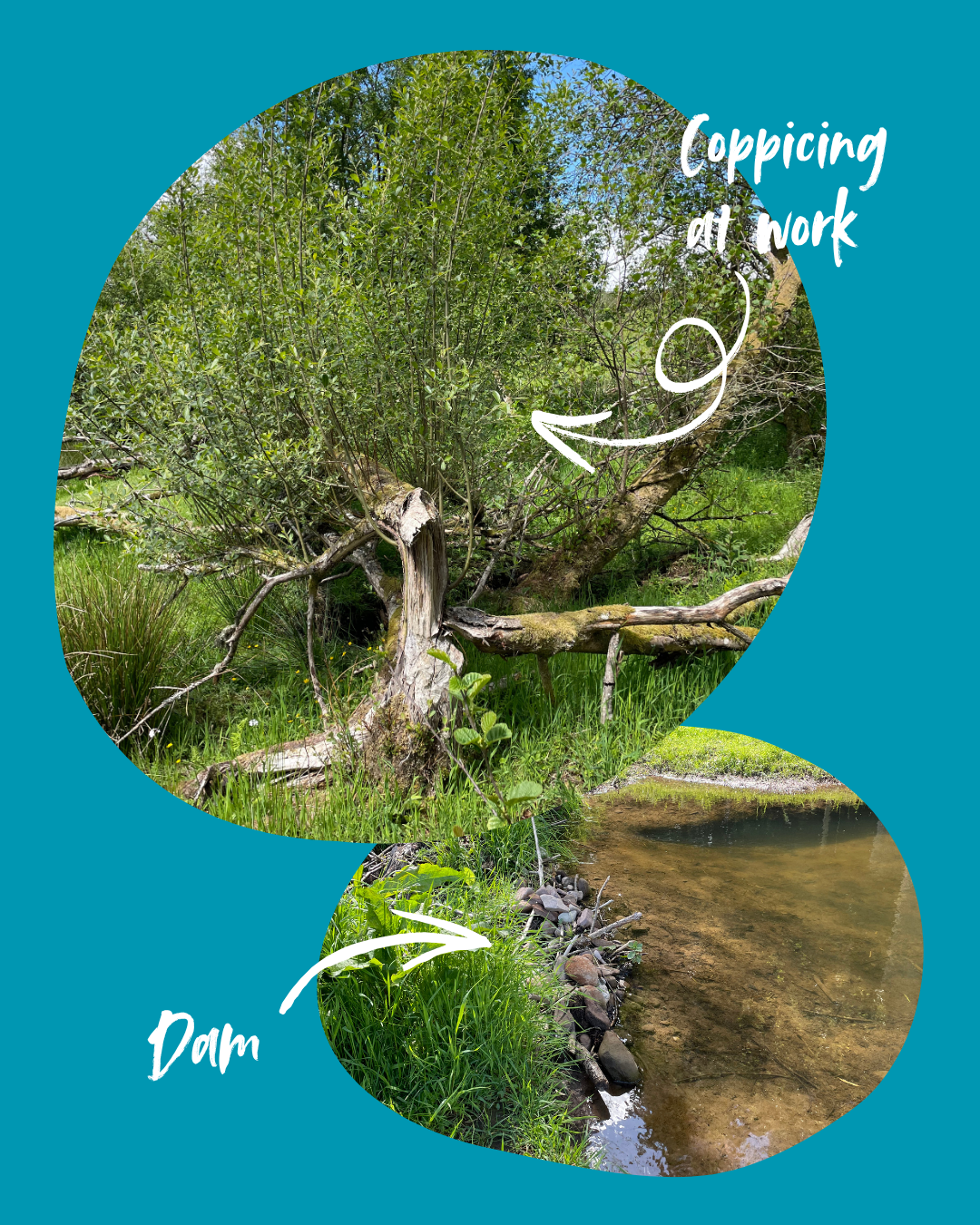
The impact of Beavers at Argaty, by Eilidh Cooney.
We had discussed in the morning session how beavers could have a tricky relationship with farmers, but Tom was showing us how they had actually improved things for their farm. Being able to contextualise all we had seen in the morning was incredible. It also seemed that the beavers had brought Tom joy - his beaver journey has certainly had ups and downs - but you could tell Tom was deeply passionate about beavers, and it was an honour to learn from him.
Argaty shows that not only can farmers and beavers happily coexist, but rewilding and farming can have a productive and positive relationship. The day also helped me personally to develop an even deeper appreciation of these wonderfully adaptable and determined creatures.
To book your place on a Mammal Society training course visit our events page here.