

Photos and text by Chloe Lim
I’ve recently just returned from Inverness, where I attended the Mammal Society Annual Conference, so I thought I’d write about my experience! But first, I’d like to say how thankful to have received bursaries from the Mammal Society, Durham University’s Biophysical Sciences Institute, and my beautiful mole mound college, Josephine Butler, that made it possible for me to attend!
My journey on the train
My trip from Durham to Inverness took about 5 and a half hours, with a short change at Edinburgh. Previously to this, I had never travelled that far alone, and so it was a really stressful journey, from trying to board the right train to hauling my luggage up a bunch of stairs and a never-ending hill. However, it wasn’t all too bad, and I met some nice people who helped me on the train. Going back to Durham was longer, taking around 6 hours, but it felt shorter somehow. Also, the view from the train was stunning!
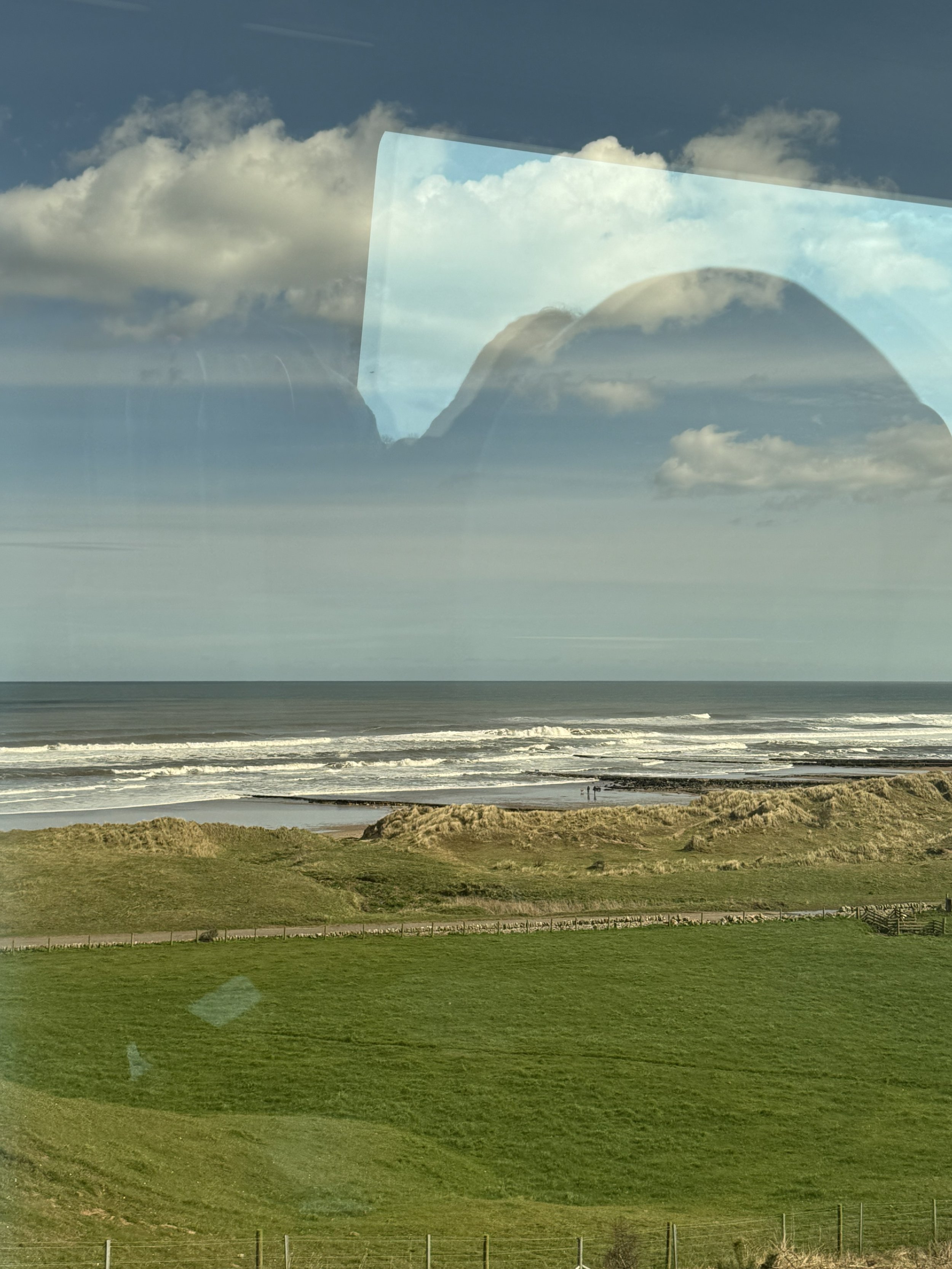
The ocean!! There were really pretty sections but my hands were too slow to capture them; my face was basically stuck to the window the entire trip! ( Entre Dos Aguas – Paco de Lucia)
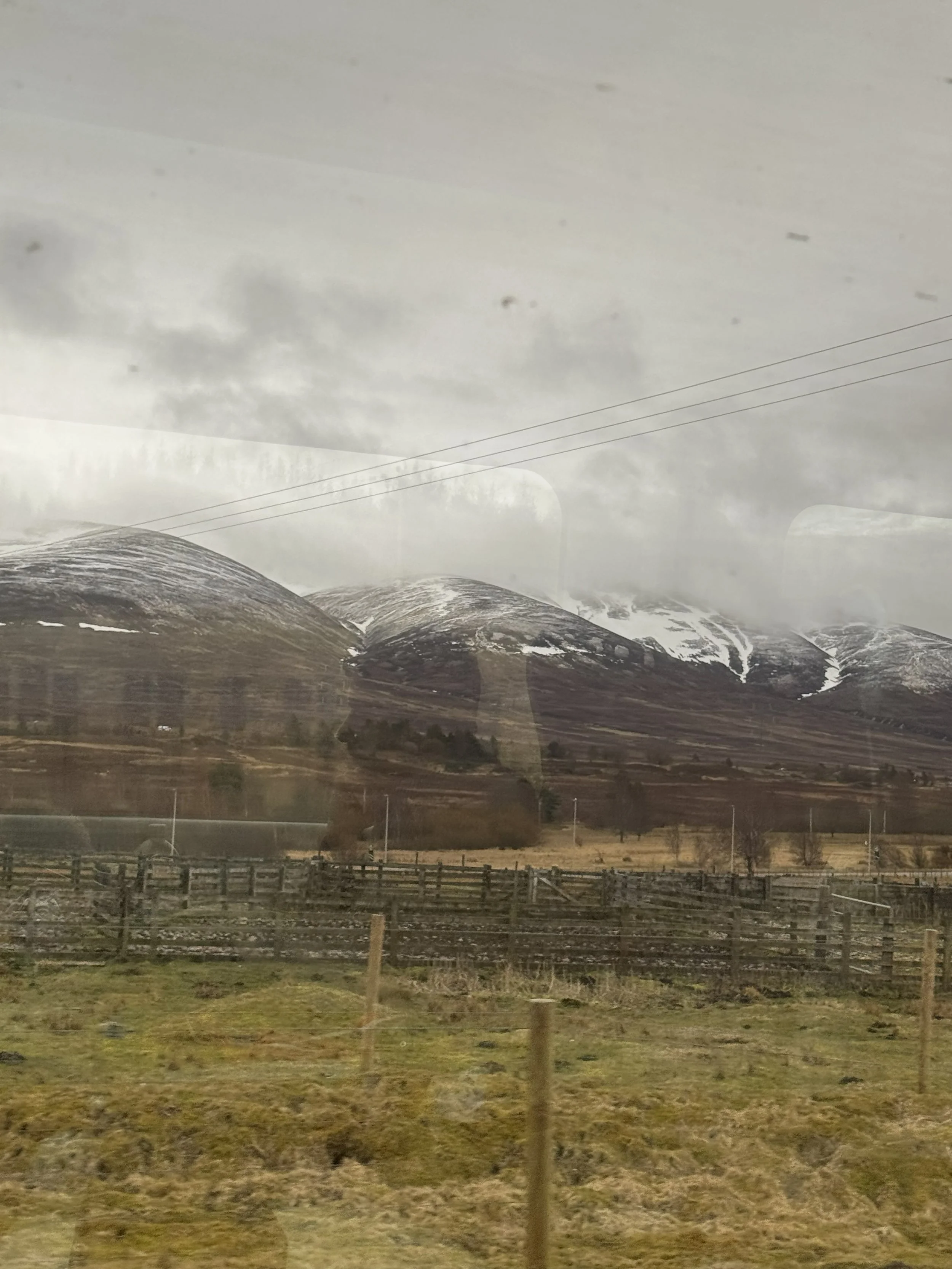
Snowy mountains ! ( The List – Dodie)
The conference – Friday & Saturday
Friday kicked off with registration, where I got a little name tag that I clipped onto my cardigan. Both days of the conference were structured the same, with a poster session, workshop, lunch, and detection dog demonstration breaking up the 3 presentation sections.
On the first day, the 3 sessions were translocations and reintroductions, monitoring mammals, and mammals and the landscape. I enjoyed all the presentations, but if I had to choose, I thought the translocations and reintroductions session was really interesting – I enjoyed hearing about how these can affect the animals themselves and the environment, as well as the importance of consulting and working with the community while doing translocations and reintroductions to maintain sustainable relationships between animals and people (as it encourages conservation-friendly practices in the long-run). This theme of considering human-wildlife conflict was present in many of the talks throughout the day and I quite enjoyed hearing about the ways in which different groups dealt with this issue, as it was something that I hadn’t considered before. Additionally, I enjoyed the presentation on spatial ecology and social organisation of reintroduced Gaur in India, as I enjoy learning about animal behaviour, and of course, I loved the mammal footage that many of the presentations included! The Saturday sessions were terrestrial mammals, marine mammals, and biology, ecology, and behaviour. The talks were all really interesting, and I especially enjoyed the ones that explored how our actions have impacted wildlife in different ways, from changes in skull morphology and levels of contaminants present due to different diets to changes in abundance and distribution due to our feeding practices! I enjoyed hearing about the different research areas and recognizing things I had learnt about in lectures and seeing how they are actually being used in current research to find out more about various topics.
Poster sessions! I saw so many cool things wandering around the stalls, from a taxidermied shrew (tinier than I imagined) and small mammal skulls that I got to look at under a microscope (so sick!), to gigantic cetacean skulls – which, logically I knew they’d be huge but seeing them in person really put it into perspective! One stall had lots of monitoring equipment, from acoustic detectors to thermal cameras that I learnt a bit about its usefulness in comparison with regular cameras; I also got a super cute tote bag that came wild wildlife and conservation management magazines!! I love magazines and I’m excited to get to dig into them once I get less busy. Hearing about the detection dogs at the Conservation K9 stall was really cool too, and it was definitely my favourite stall to linger around – especially on Saturday, where they brought out a little happy cutie!
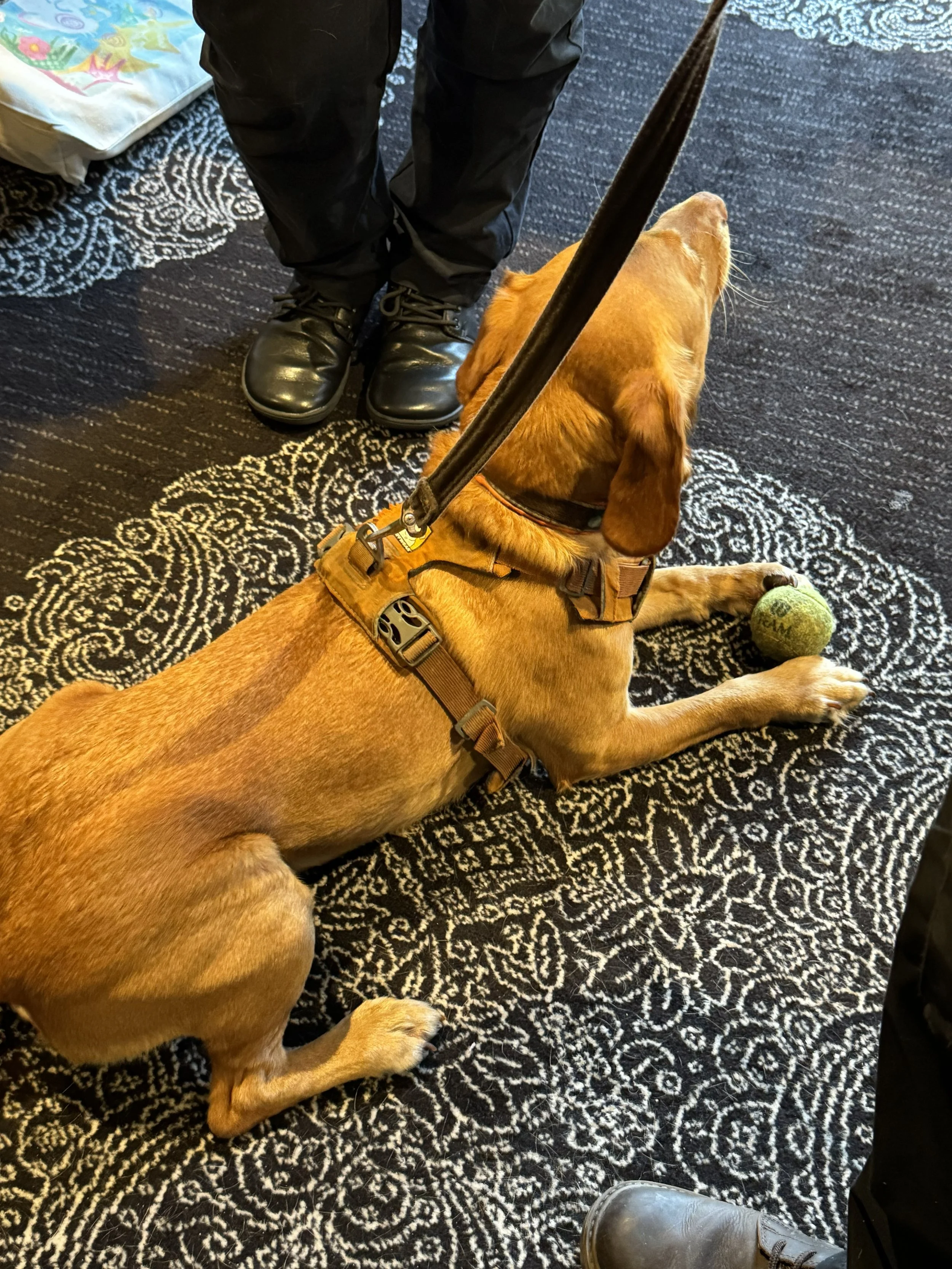
Rex (I think!), a hard-working sniffer of otters and more (from memory) ( Carousel – Laufey)
Once I managed to get through the stalls and reached the posters, I was getting quite overwhelmed, as there was so much happening and so many people talking at the same time. However, I do think it was a really valuable experience seeing so many different research posters in person and finding what aspects convey information more effectively to me personally. I have an upcoming poster summative so hopefully that will help…
On Saturday, I met some of the Youth Ambassadors (so nice!) and got interviewed… I will not watch the video (if I don’t see it, it doesn’t exist!), so instead I’ll give a more thought-out answer to their last question here!
Q: What would you say to someone thinking of attending?
If you’re interested and would be able to attend, why not! It’s a really great conference that is very accessible no matter what previous knowledge you have on the field. Having no idea what to expect, when deciding whether to accept the bursary or not, I was most worried about whether I would be able to understand what they were talking about. However, the talks were really nicely condensed, with research being broken down to be more easily digested.
If you were hesitant because of the costs of attending, the Mammal Society has various bursaries/sponsorships, to my knowledge. Just try! I saw the application form on the Youth Network groupchat, and I was already interested in attending wildlife-related conferences to get a better idea of the different careers and research areas that I might be interested in going into, so I just cast my application into the void, not thinking that anything would actually happen, and I’m really glad I did because I was offered the bursary!
I’m participating in UMAC this year (MamHam!) so I would have been able to attend online regardless, but it definitely would have been a different experience and attending in person was so much fun. Having said that, I am very grateful for all the opportunities that I’ve gotten to participate in thanks to the Mammal Society, from learning about different methods to collect data on mammals and actually conducting them in person, getting involved with the community through local events and creative campaigns, to attending this conference! So perhaps join UMAC if you’re in college or university and you’d love to hear the talks but are still hesitant about travel and accommodation costs!
Ok, workshop time! At noon on each day, there were various workshops that I could choose between. They all sounded so fun and I was really torn between the options, but in the end I chose to attend the sound analysis and otter spraint analysis workshops by Neil Middleton and Dave Groves respectively. Both workshops were really great and I had a lot of fun hearing how different animals can make very similar sounds and how identification is not just a straight-forward task. It was the same for otter spraint analysis; otters eat so many things – amphibians, invertebrates, other mammals, and fish! We were shown a lot of fish skeleton images, with each little part hinting towards the type of fish, revealing how detail-oriented you have to be to identify the prey remains found in otter spraint! In September, I’ll be starting my placement year working with otters so I’m excited to perhaps do it myself, if the opportunity arises!
Another favourite moment – on both days, the Ecology Detection Dog Working Group held a demonstration in the grassy area outside the conference rooms. The dogs were very hard-working, with the bigger dog very quickly finding all the items, and the smaller dog running around to check very thoroughly! Afterwards, we were allowed to say hi to the dogs, I had a great time petting them, they were so adorable and happy to get pet! In total, I pet 4 different detection doggies.
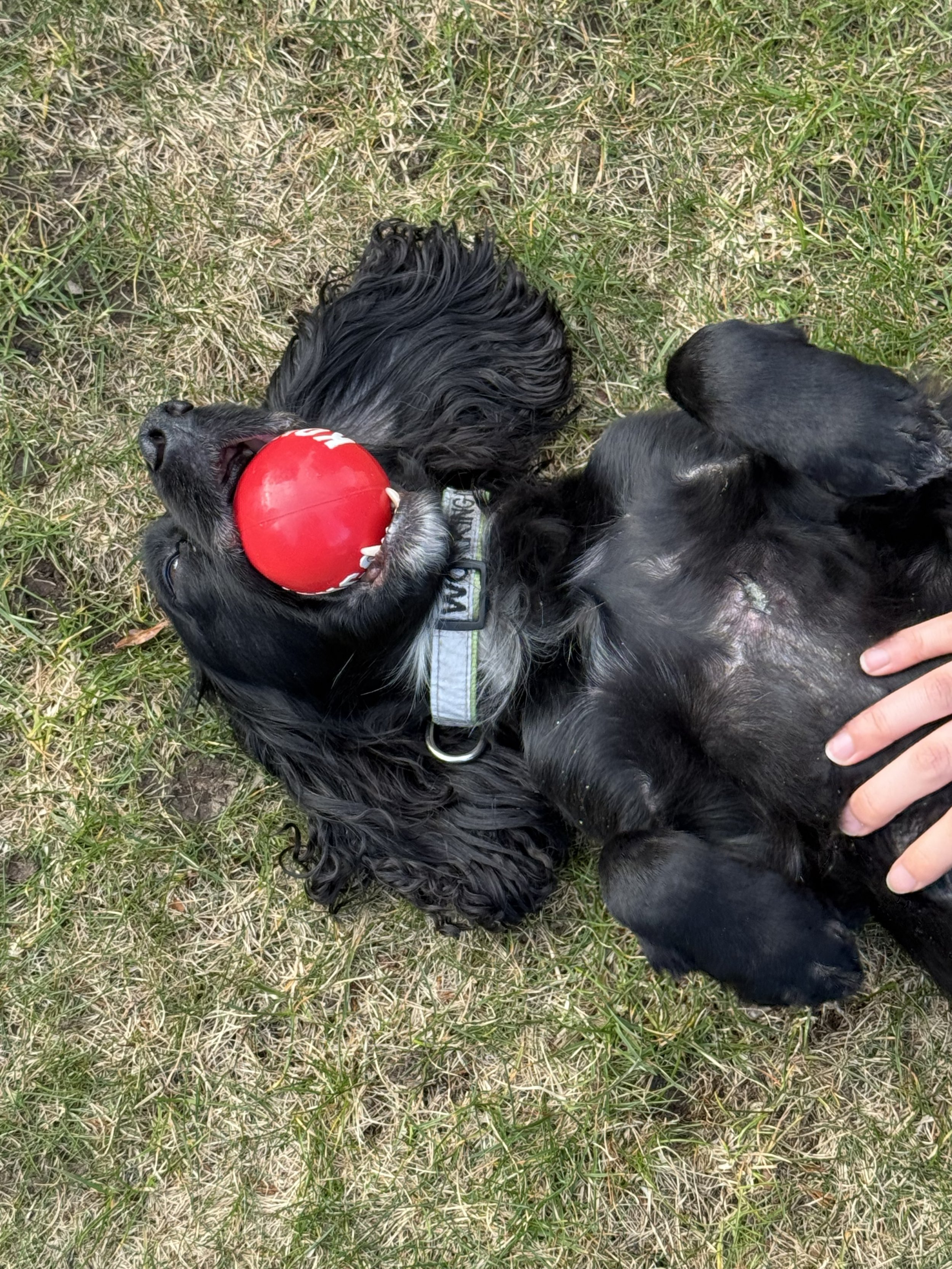
What a cutie! ( Summer Holiday – Cliff Richard & The Shadows)
One more favourite moment from the conference was at the Cairngorms National Park stall, where I was asked if I wanted to take a beaver-chewed stick. Seeing him pull out a huge box full of sticks was really cool, you could see the beaver teeth marks really clearly on many of them! I wonder if the one I have would survive in a luggage… or if airport security would let me keep it!
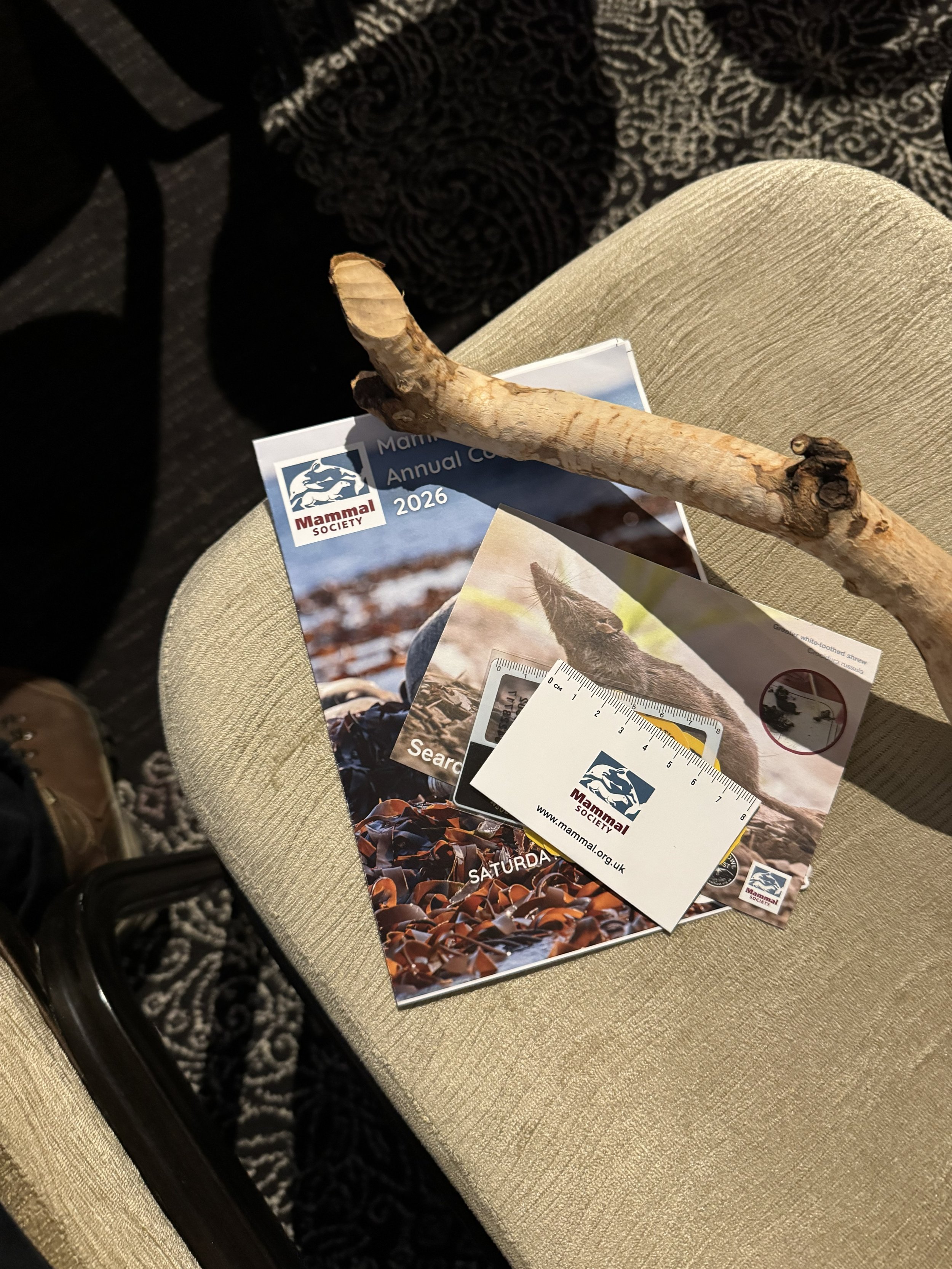
Beaver stick! ( joyful joyful – JANNABI)
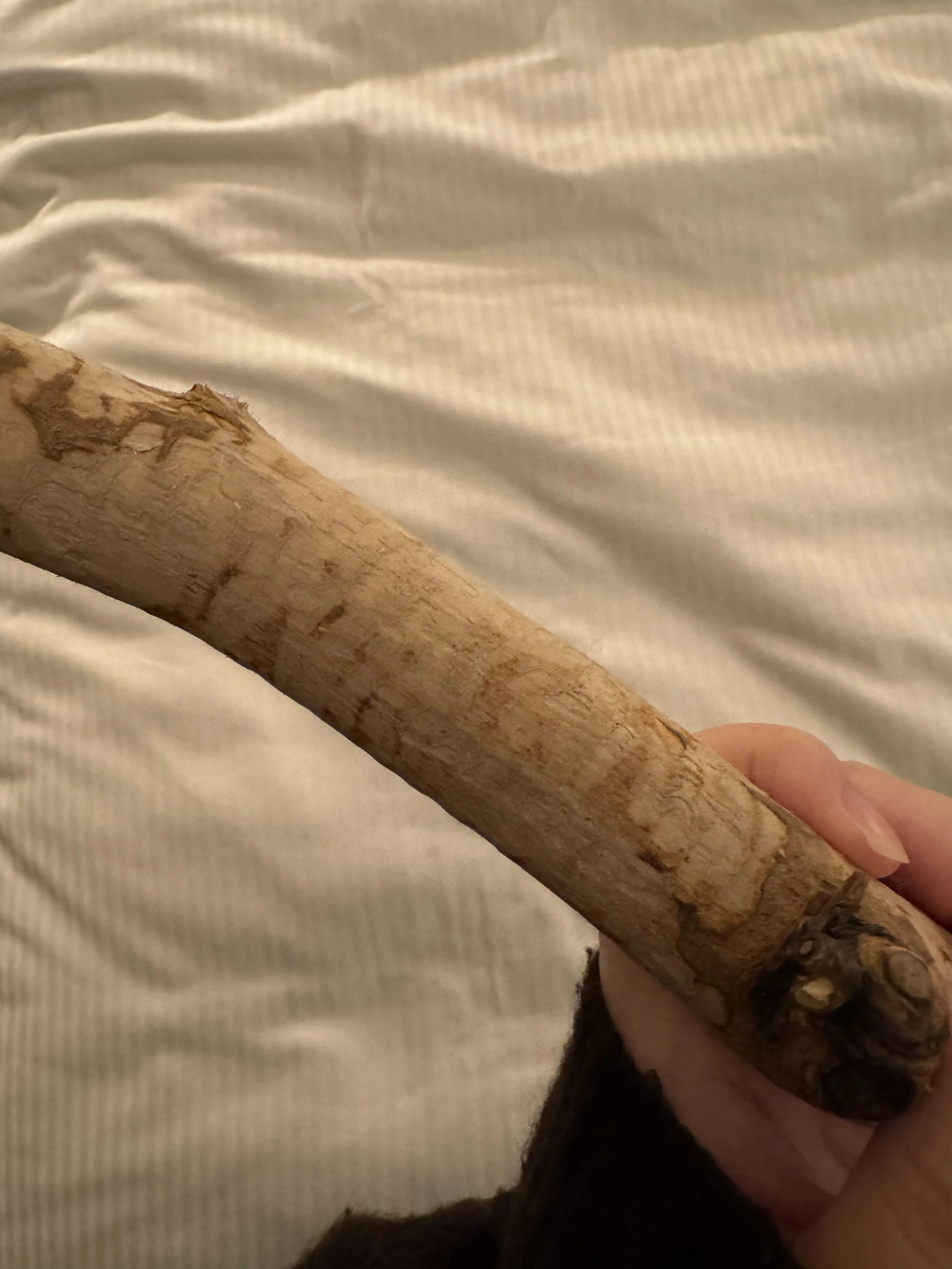
Beaver stick! ( joyful joyful – JANNABI)
Ok, now onto meals!
Unfortunately, my hands seem to be allergic to taking pictures so I don’t have any images of the food I ate during the conference but trust me, it was really good. Lunch was served at 1 pm on both days, so I was close to devouring my plate by then. On Friday, they served some sort of soup with mint and something else that I can’t recall and really delicious pasta, and I can’t quite remember what was for lunch on Saturday.
I had really enjoyed the first day but I was dead tired and glad to go back and have a good two hours of rest once the day ended at 5 o’clock. I was revitalized, though, just in time for dinner. The food was so good. It was buffet-style and I loaded my plate with pesto pasta, roast potatoes, and garlic bread (delicious, delicious, and delicious). It was so good. Once I finished, it was dessert time. Outside, in the reception area, was a stunning ice-cream stall. There was lemon, lime, raspberry, and blueberry sorbet, vanilla ice cream, and apple and gin ice cream. I probably had too many scoops, but it was just that good. I’m glad I did get as many as I did, though, as they unfortunately were not there during the Saturday dinner. Additionally, there was a lovely lemon berry cheesecake – I don’t particularly like cheesecakes but this one, paired with sorbet, was quite nice. It had a good tartness that complemented the sorbet and the lovely biscuit base. Then the buffet tables began to be dismantled and the ceilidh band, Tartan Paint, set up their instruments. I had never attended a ceilidh before and it was really fun watching people learn the moves to the first dance and having fun spinning round together. I even danced twice myself, thanks to the very nice people who invited me up for the group dance. Although it felt much faster and seemed to last for an eternity as compared to the first dance, I’m glad I went up – it was even more fun being part of the group dancing!
On Saturday, it was a 3-course meal type of dinner. For starters, we were given soup (pumpkin and carrots are the only two ingredients I remember) that was good, especially with the soft bread and butter provided. I think the main was a beetroot wellington – I didn’t enjoy it that much as I don’t particularly like pastries but I’m sure it was good to people who do. Finally, onto the best part of a meal – dessert! They served a gorgeous red velvet cake. I don’t like chocolate but I love red velvet – some people say that it’s basically the same, and while that can be true sometimes, I am a firm believer that good red velvet cake does not taste the same as chocolate cake! So believe me when I say that this red velvet cake was a good one. A bit too dense for my preference, as I prefer fluffier cakes, but it happens when cakes are refrigerated sometimes, and the flavour was good and light, just what I want from a red velvet cake. It also came with a scoop of chocolate sorbet that I gave away – according to others at my table, it was delectable.
Dolphins, field station, and lots and lots of beaver signs
I did not bring waterproof pants and my supposedly waterproof jacket turned out to not be so waterproof after all! So Sunday turned out to be a very soggy day for me. We started the day with a bus ride to Chanonry Point, where we would try to spot dolphins in the rough waves. When I stepped off the bus, there was a false sense of security that settled over me when I saw it was only drizzling a bit. It did not last long though; the wind was bitingly cold and the rain pelted my face. Sadly, I didn’t manage to spot any dolphins, but hearing the excitement from others when they spotted something was still quite fun. After my pants were thoroughly soaked, we had another journey to Cromarty Field Station. It was really fun hearing them talk about the devices they used and seeing all the different types of research that had been conducted. In particular, a thick book of individual dolphins and seals caught my eye. It was amazing to see how many different individuals they had identified and kept track of. By the afternoon session, my clothes had mostly dried and I chose to go to the site associated with beaver reintroduction at Lochan Mor, Aviemore. It was great seeing all the trees that had been taken down by beavers and some burrows and dens as well! I’ll put some of my favourite pictures from the day below.
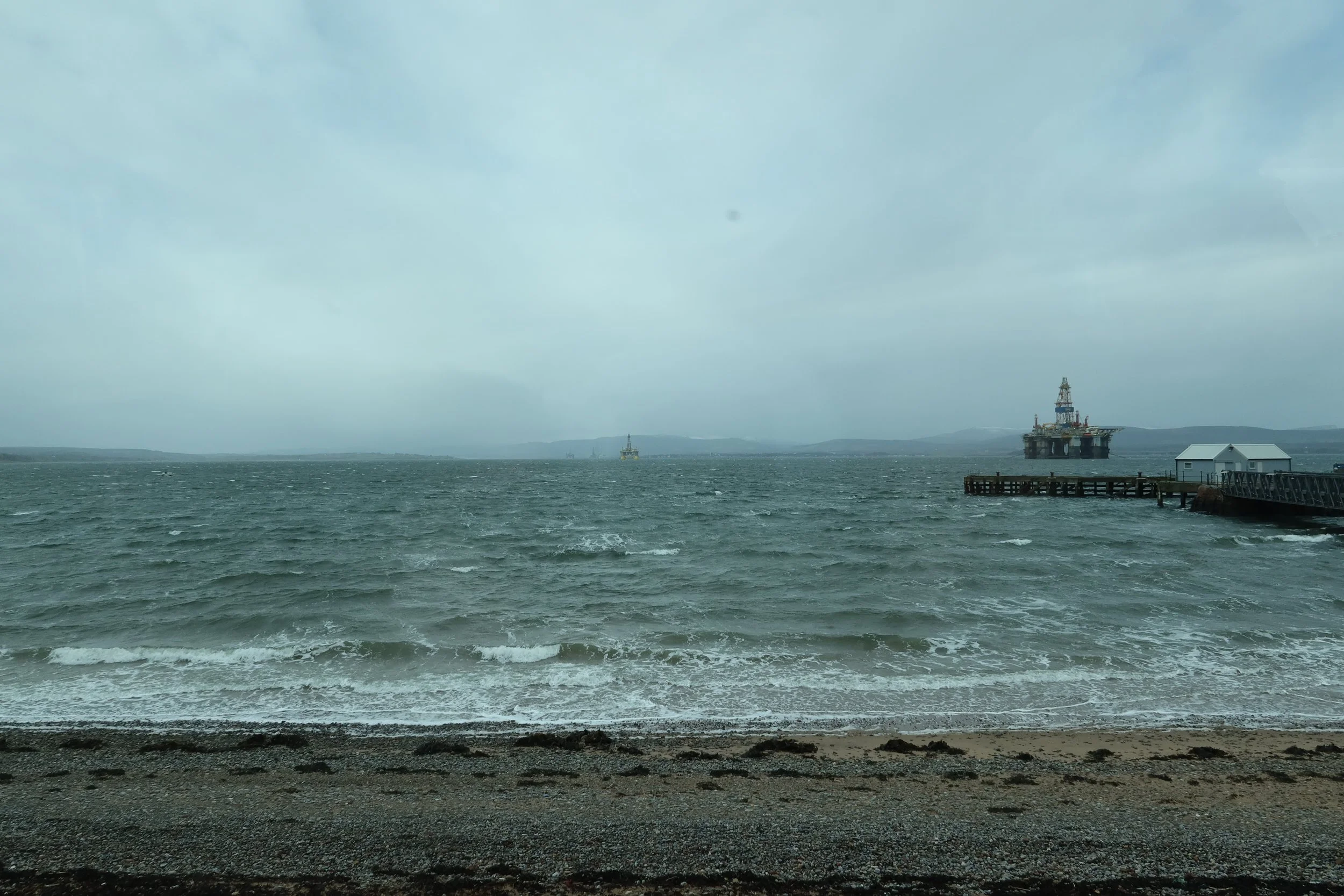
Cromarty field station ( Penyakit Hati – Tarrarin)
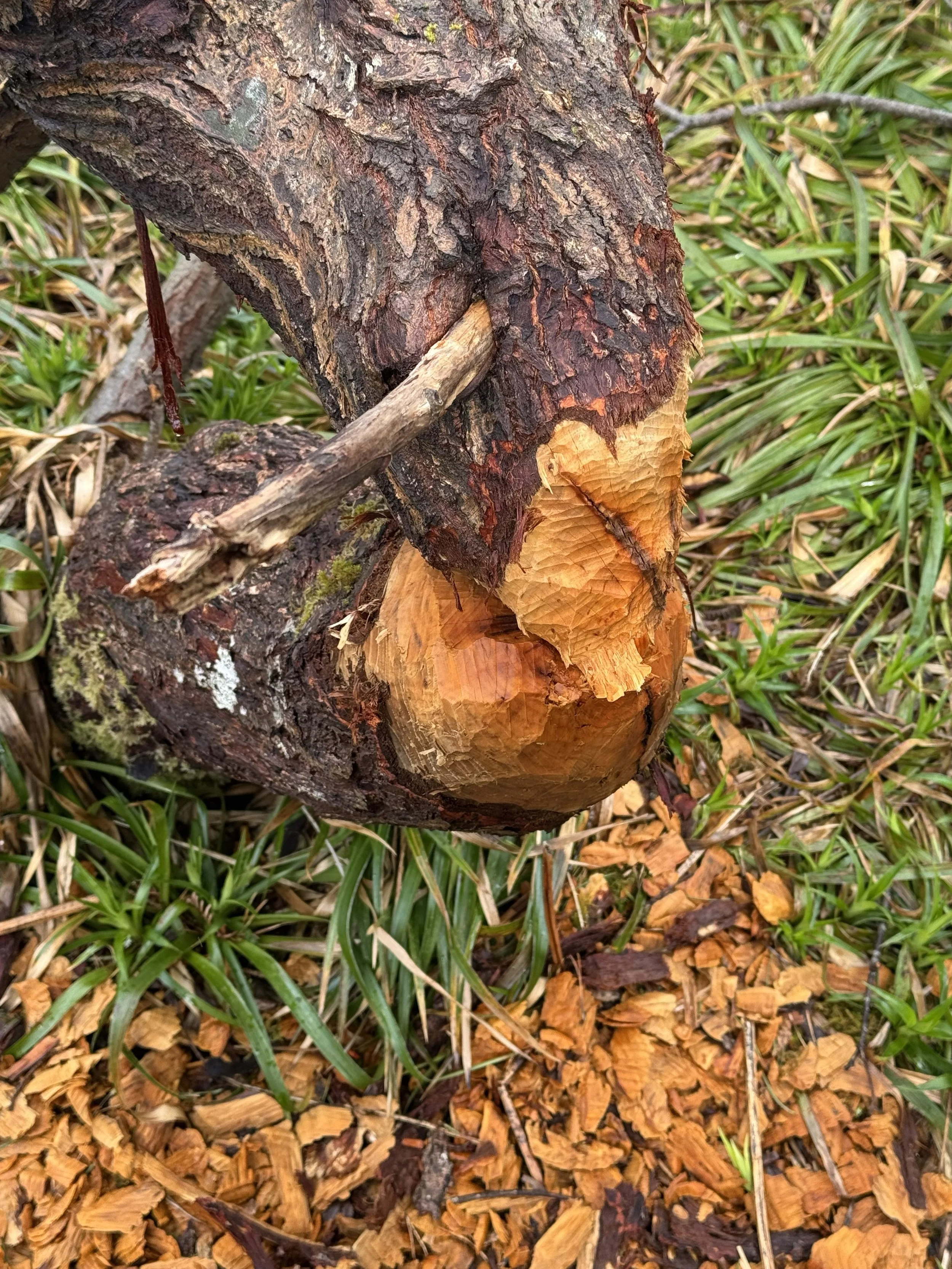
So cool!! ( summerfallwinter sprinG. – JANNABI)
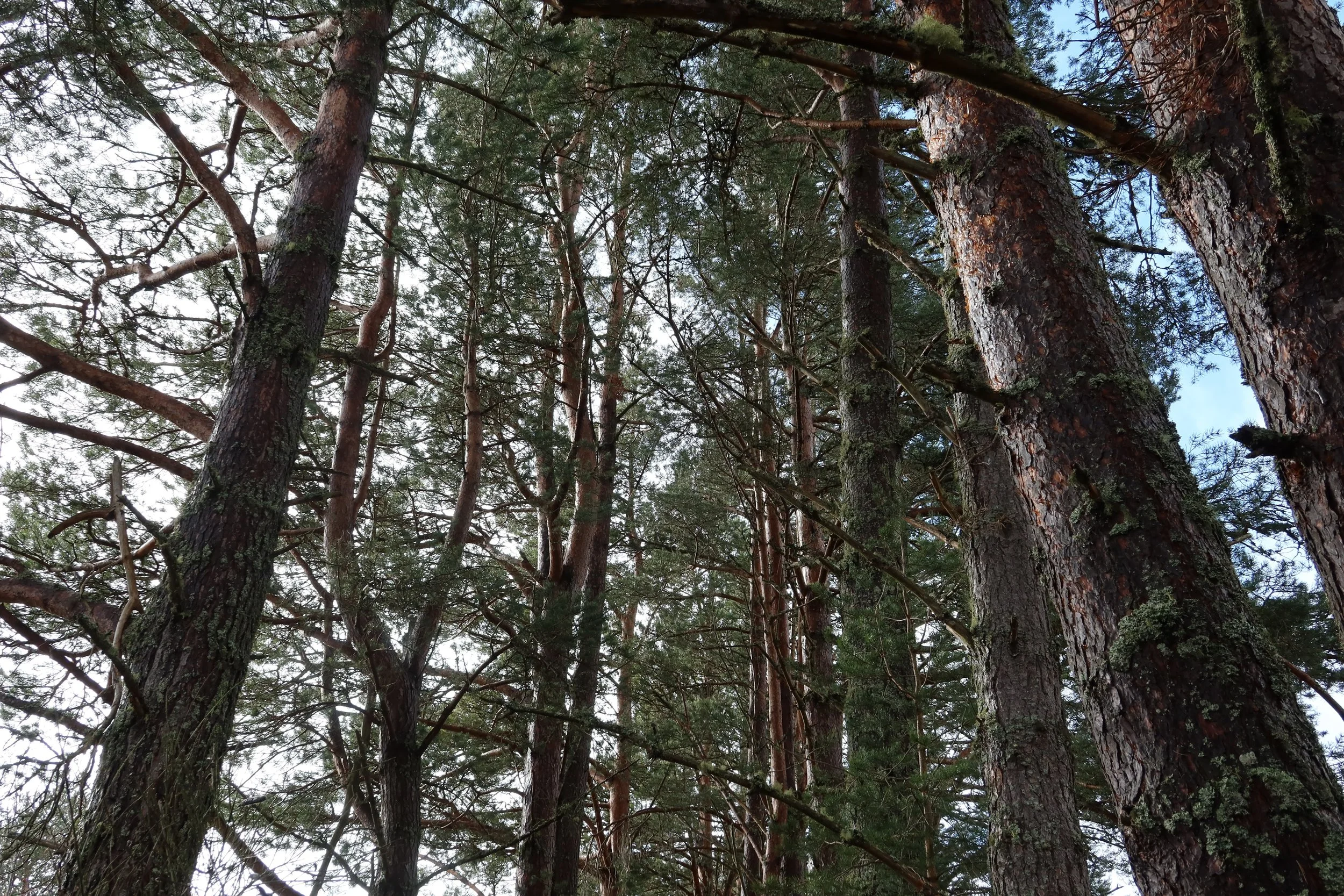
During our walk at the beaver site ( 一半一半 – Waa Wei, Ricky Hsiao)
Thank you for reading this far! I’d like to tell you that I was very sociable and talked to everyone that I had the opportunity to speak with, but the reality is that I did not manage to be as brave as I had wanted to be. The conference was definitely overwhelming at times, and I did feel at times as if I didn’t have enough knowledge to talk to people or ask good questions (especially during the poster session), which now thinking back is quite silly. However, I visited all the stalls, read through the posters, talked to quite a few people, and really enjoyed the conversations that I did have! Most importantly, I had a lot of fun and got the chance to learn and do so many things I would not have had the chance to do otherwise, so I’m happy to say I successfully survived my first conference!