

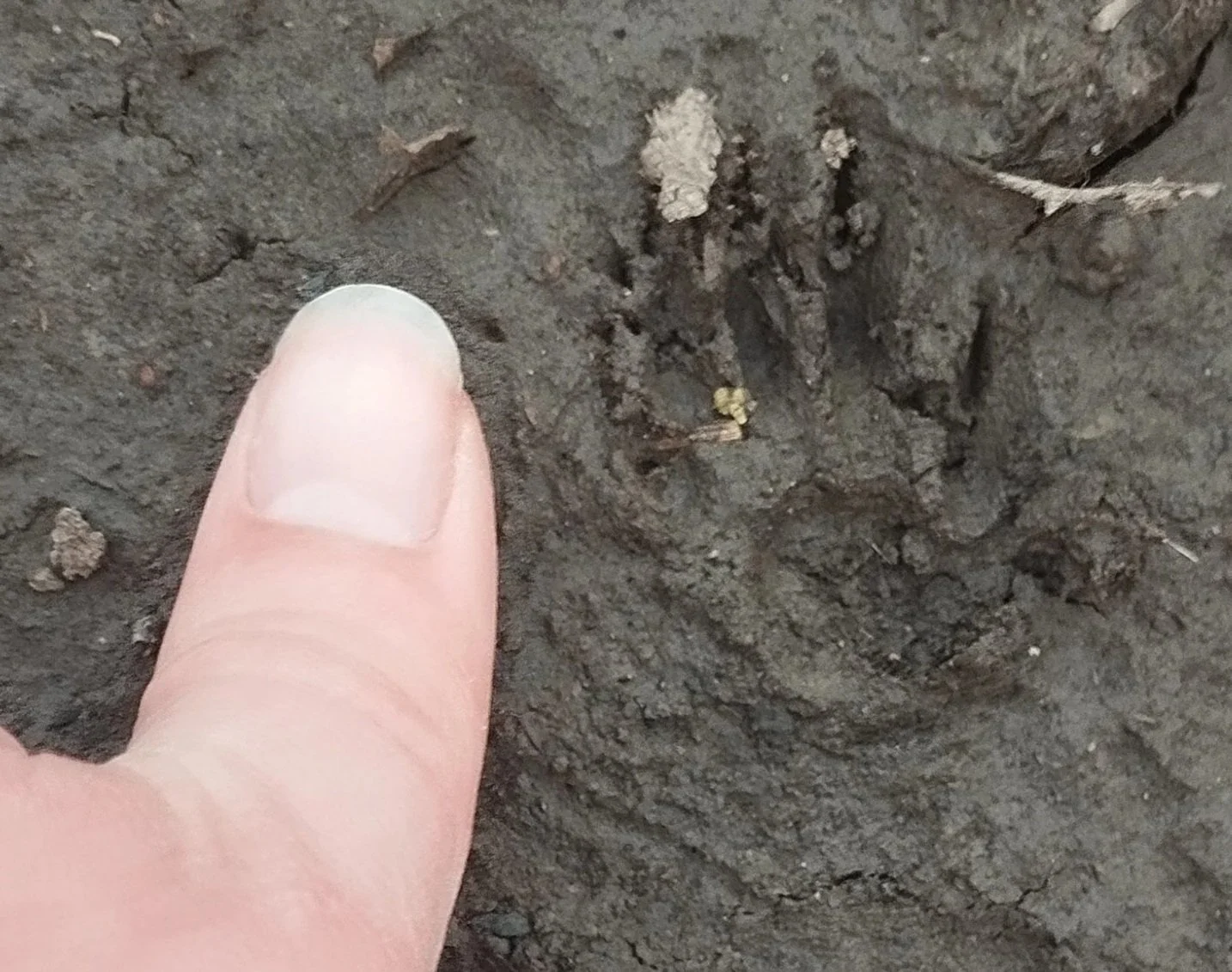
Hedgehog Footprint
By MamHam Team Member, Lizzie Cooke.
The University Mammal Challenge (UMAC) is one of those rare opportunities that blends science, community, and pure enjoyment. It gives competing students the chance to contribute to real mammal‑tracking data, build confidence in field identification, learn new survey techniques, complete fun weekly challenges, and engage the wider community, all while having an enormous amount of fun outdoors. It’s a hands‑on way to support UK mammal conservation, and for our team, it became so much more than a competition.
Since the beginning of February, our team has had the privilege of stepping into the hidden world of British mammals, and discovering just how much you can learn when you slow down, look closely, and start noticing the signs that are all around you.
One of the biggest highlights for us was how quickly our mammal identification skills grew. Through transects, ad‑hoc sightings, and countless hours spent outdoors, we learned to read the landscape in a completely new way. Some of the results surprised us — particularly the sheer number of deer footprints we recorded — but more than anything, it was the range of signs that opened our eyes. From burrows tucked under hedgerows to feeding remains, runs, and even tiny traces of hair caught on brambles, we began to understand just how many stories the countryside quietly holds.
Alongside transects, we were able to learn new survey methods, particularly building and deploying footprint tunnels. These simple, low‑cost devices made from upcycled materials and non‑toxic ink, became one of our favourite tools. Not only are they brilliant for detecting all sorts of small mammals, but they’re also a perfect example of sustainable, accessible conservation. Building them with students and staff was a joy: a hands‑on, creative activity that doubled as a lesson in how easy it can be to support local wildlife.
That sense of shared learning and community involvement became the heart of our UMAC experience. We were incredibly fortunate to receive free online training and conference access, which helped us sharpen our mammal ID skills and deepen our understanding of UK mammal conservation. But the real highlight was seeing the ripple effect of our work: engaging university students, staff, and local residents through nature walks, footprint‑tunnel workshops, and even hosting a stall at the town market. Each event felt like a small spark, a moment of connection that helped bring the Mammal Society’s mission to new audiences.
It’s increasingly recognised that meaningful impact in conservation often starts small. A single conversation, a footprint tunnel built from recycled cardboard, a student learning to identify a badger track for the first time, these are the catalysts that build long‑term change. Our hope is that the people we reached will carry these skills and this awareness forward, continuing the work long after the challenge ends.
As we wrap up our plans for UMAC 2026, of course we’d love to see our team climb the leaderboard. But more than anything, we hope that what we’ve started continues to grow, within our university and beyond. British mammals are facing a crisis, with one in four species now threatened with extinction. Reversing that trend will take sustained, collective effort. If our small contributions have helped even a little, by inspiring others, sharing practical tools, or simply paying closer attention to the wildlife around us, then we’ve achieved something meaningful.
And we’re not done yet. Here’s to carrying this momentum forward, championing our local mammals, and working towards a future where every species can thrive.
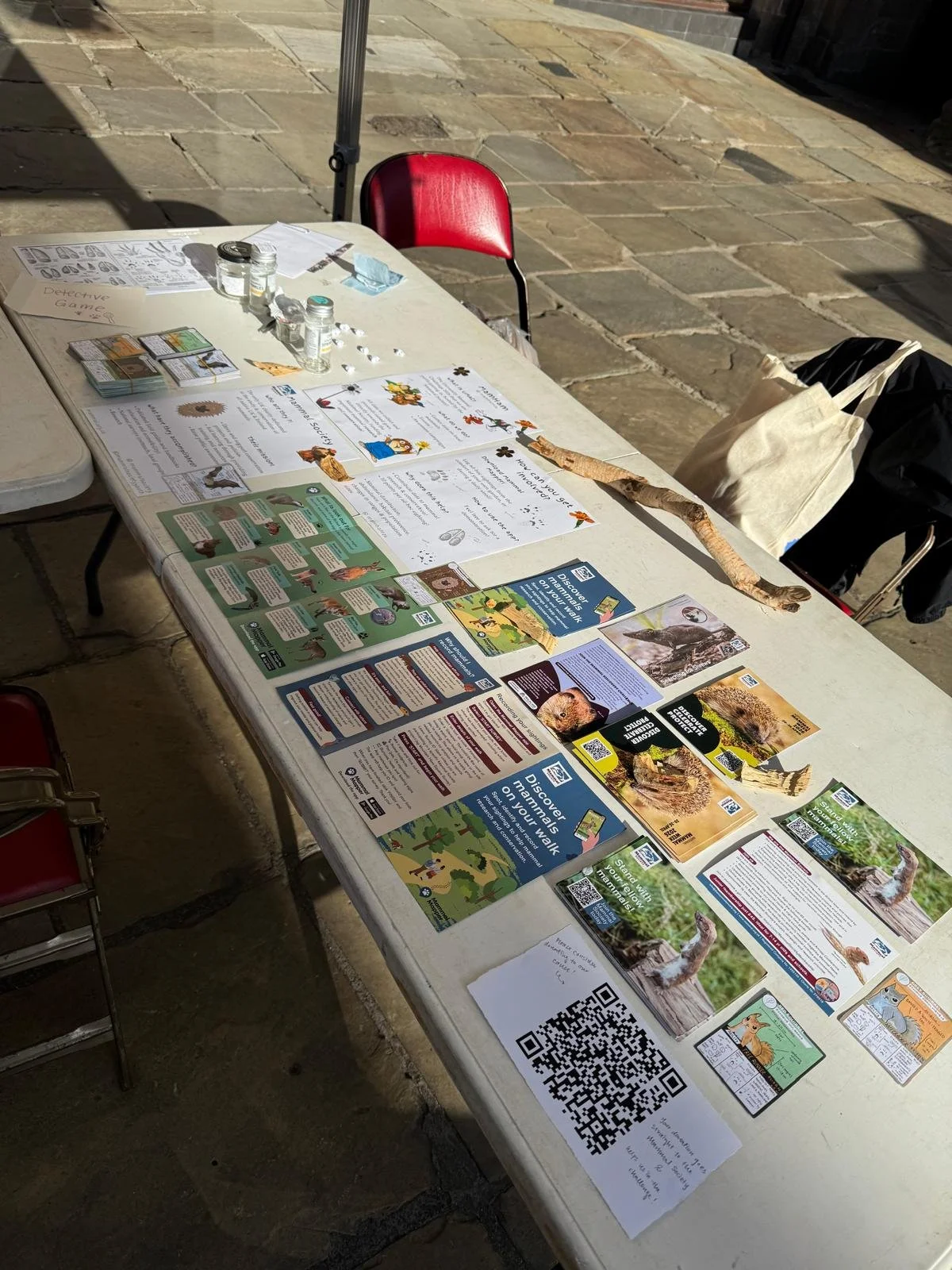
MamHam Stall at the Durham Markets Nature Nook