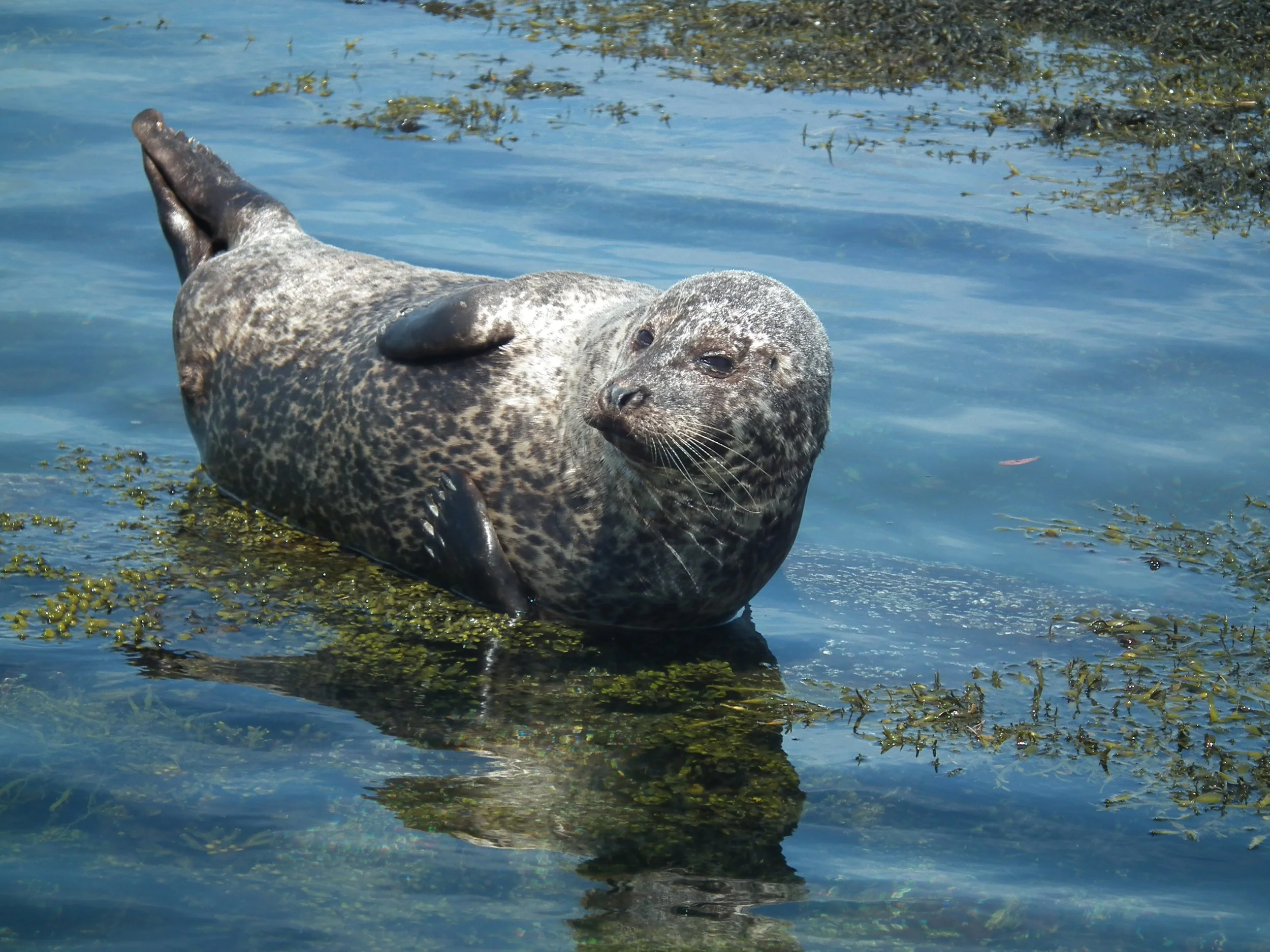
Harbour seal by Derek Crawley
Britain is home to internationally significant seal populations, yet we still lack the year-round evidence needed to protect them. The Mammal Society is seeking to connect and strengthen the UK’s grassroots seal monitors, so we can gather the year-round evidence needed to protect the places seals depend on.
Harbour seals are declining across the UK, but we still don't know why. Although grey seals remain nationally stable, the UK supports around 38% of the world's grey seal pups and monitoring outside the breeding season is extremely limited. Existing volunteer groups collect valuable year-round data, but different methods and disconnected datasets prevent a clear national picture. Without better evidence, conservation decisions risk being made with critical gaps in knowledge.
The Mammal Society is bringing together leading seal researchers, statutory agencies and volunteer groups to create the UK's first coordinated, year-round seal monitoring framework. Working with organisations including UN Ocean Decade and Natural England, we'll establish survey standards, train volunteers and build a trusted evidence base that helps identify threats, protect important sites and inform conservation and policy.
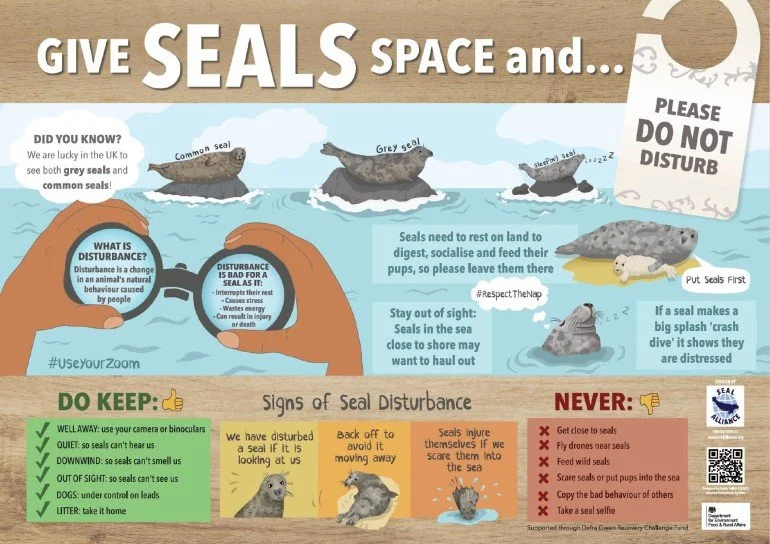
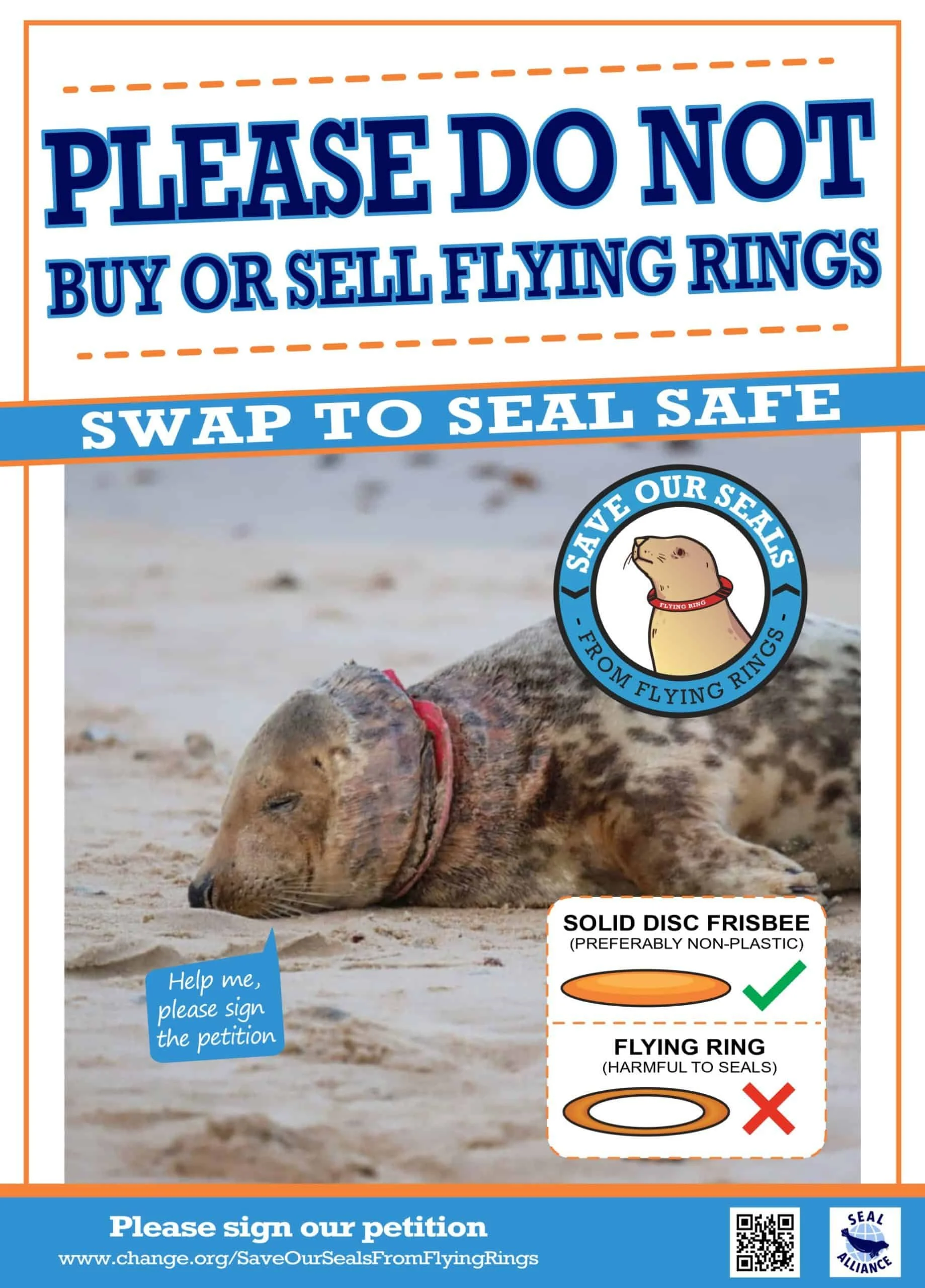
Alongside this vital research, the Mammal Society is calling for better protection for seals around UK coastlines. Disturbance by tourists and commercial fishing practices, along with threats from marine litter and pollution, increase the pressure on these important native pinnipeds. In particular the Mammal Society supports the campaign to ban flying rings that cause heartbreaking injuries to both seal species, and along with partners aims to raise public awareness of how disturbance of seals in haul-out sites can be recognised and avoided.
The Mammal Society is also calling on the government to add seals to Schedule 5 of the Wildlife & Countryside Act 1981 so that they receive proper protection form harm under UK law.
Seals Research Working Group
Sue Sayer MBE (Chair), Founder and Director of the Seal Research Group
Dan Jarvis, Director of Welfare and Conservation at BDMLR
Clare Owen, Marine Mammal Senior Specialist at Natural England
Carol Sparling, Director of the Sea Mammal Research Unit (SMRU) at the University of St Andrews
Fiona Day, Marine Project Manager at Campaign for National Parks
Beth Smith, Postdoctoral Researcher at ZSL
Robyn Grant, Reader - Comparative Physiology & Behaviour, MMU
Richard ‘Dez’ Delahay, Wildlife biologist at APHA and RSK
Matt Larsen-Daw, CEO of the Mammal Society
Aim 1: Develop a standardised UK-wide citizen science framework for year-round monitoring of grey and harbour seals beyond breeding and moulting seasons, filling critical evidence gaps
Aim 2: Train and support volunteers to collect high-quality, consistent seal data safely and responsibly
Aim 3: Build partnerships between community groups, researchers and conservation organisations across the UK
Aim 4: Tackle seal disturbance and preventable harm from flying rings, dog attacks and commercial fishing activities though public awareness raising and education
Aim 5: Provide trusted evidence to support marine conservation, protected sites and better policy decisions
Found a seal in trouble?
Report any entangled/injured seal, or apparently abandoned pup, to the British Divers Marine Life Rescue (BDMLR) 24/7 hotline: 01825 765546 (don’t intervene yourself).
Report a dead seal in England by calling the Cetacean Strandings Investigation Programme (CSIP) hotline at 0800 652 0333 or emailing them at strandings@nhm.ac.uk. In Scotland report to the Scottish Marine Animal Strandings Scheme (SMASS) by calling 07979 245 89.