

Big Give Christmas Appeal 2026
Help the Mammal Society connect and strengthen the UK’s grassroots seal monitors, so we can gather the year-round evidence needed to protect the places seals depend on.
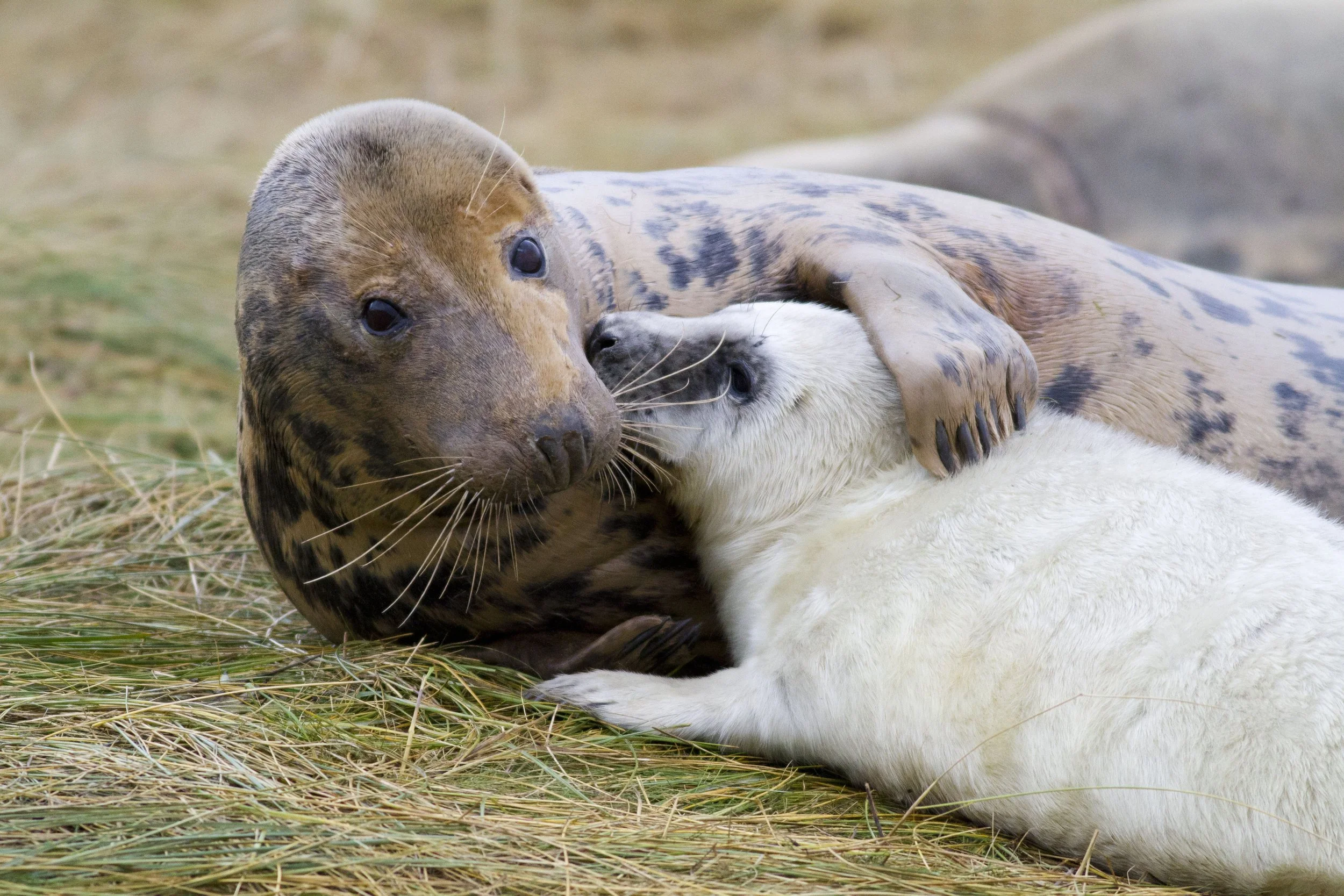
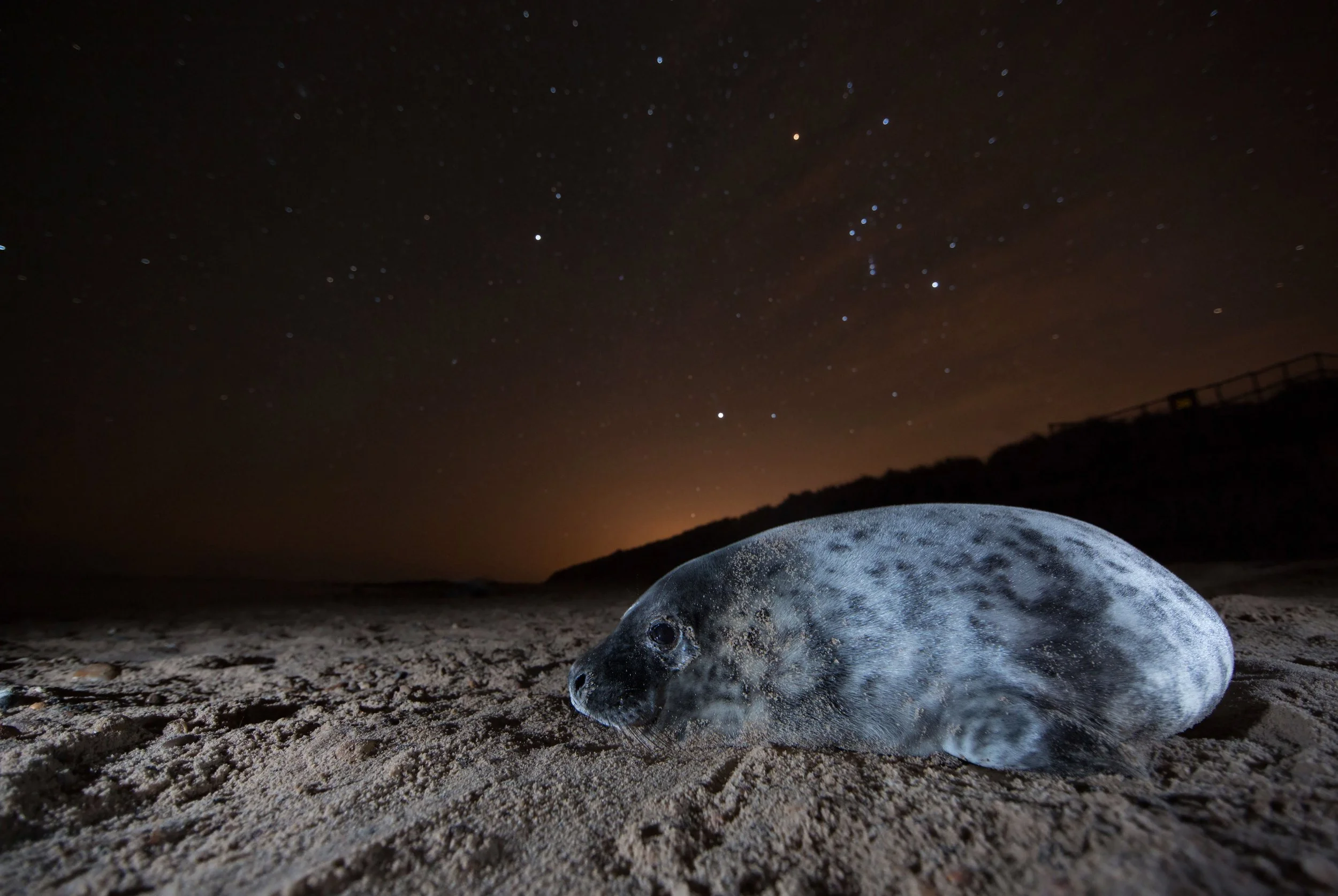
Grey seal by Seb Loram
Sign up to get a reminder email
To get a reminder when donations open on 1st December, sign up here.
Help protect Britain's seals and double your donation with the Big Give Christmas Challenge
Harbour seals are declining across the UK, but we still don't know why. And although grey seals remain nationally stable, the UK supports around 38% of the world's grey seal pups, and statutory monitoring outside the breeding season is limited.
Across the UK, volunteers are already watching beaches, logging sightings, and stepping in when seals are hurt or in trouble. But this information is being collected across groups working without shared infrastructure. Valuable observations scattered across different organisations, databases, and local recording systems makes it harder to connect individual sightings and build a bigger picture of what's happening to our seal populations.
That's why, this Christmas, we’re hoping to raise £30,000 to connect and strengthen the UK’s grassroots seal monitors, so we can gather the year-round evidence needed to protect the places seals depend on.
Creating the UK's first coordinated, year-round seal monitoring framework
The Mammal Society is bringing together leading seal researchers, statutory agencies, and volunteer groups to create the UK's first coordinated, year-round seal monitoring framework – so every sighting counts. Working with organisations including UN Ocean Decade and Natural England, we'll establish survey standards, train volunteers, and build a trusted evidence base that helps identify threats, protect important sites and inform conservation and policy.



Please make a donation to protect Britain’s seals
Thanks to our pledgers and champion funder, every donation made during the appeal will be doubled. The appeal opens at midday on Tuesday 1 December and runs for one week.
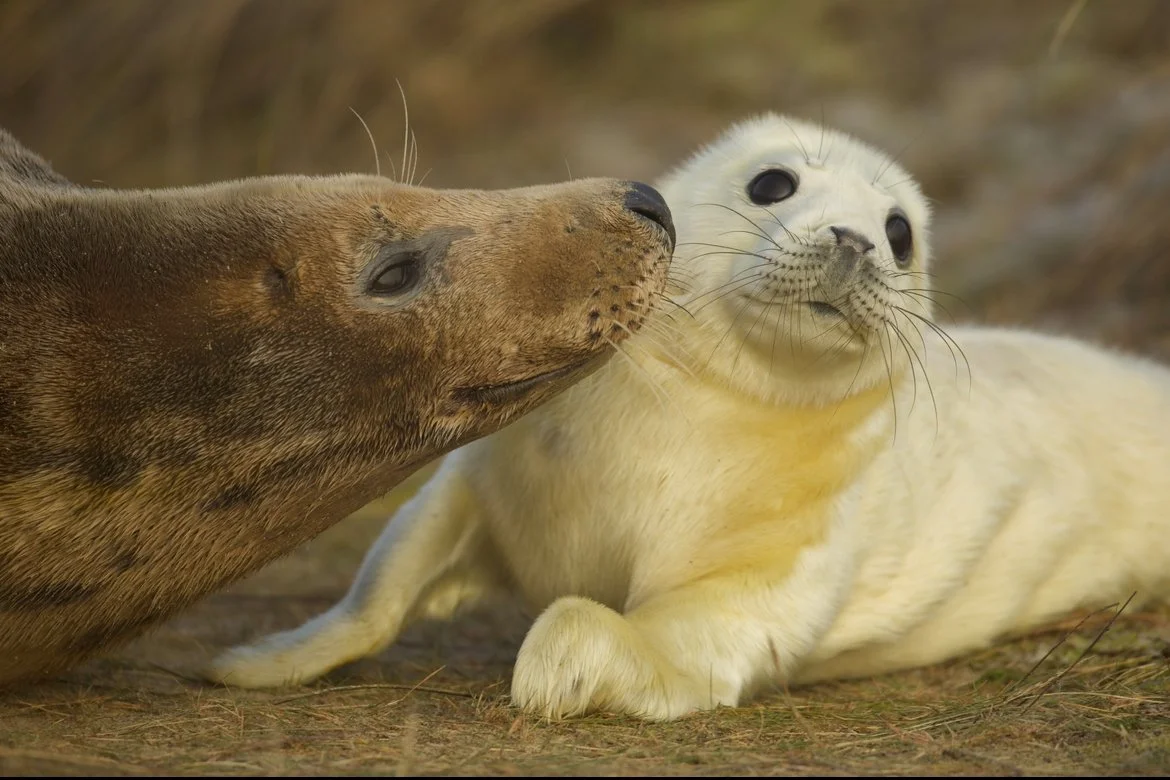
Grey seal mother and pup by Thomas Roberts
Did you know?
Harbour seals can hold their breath for up to 30-40 minutes and dive to depths of around 450+ metres.
Did you know?
Male grey seals can weigh as much as a grand piano (300–400 kg).
British seal species
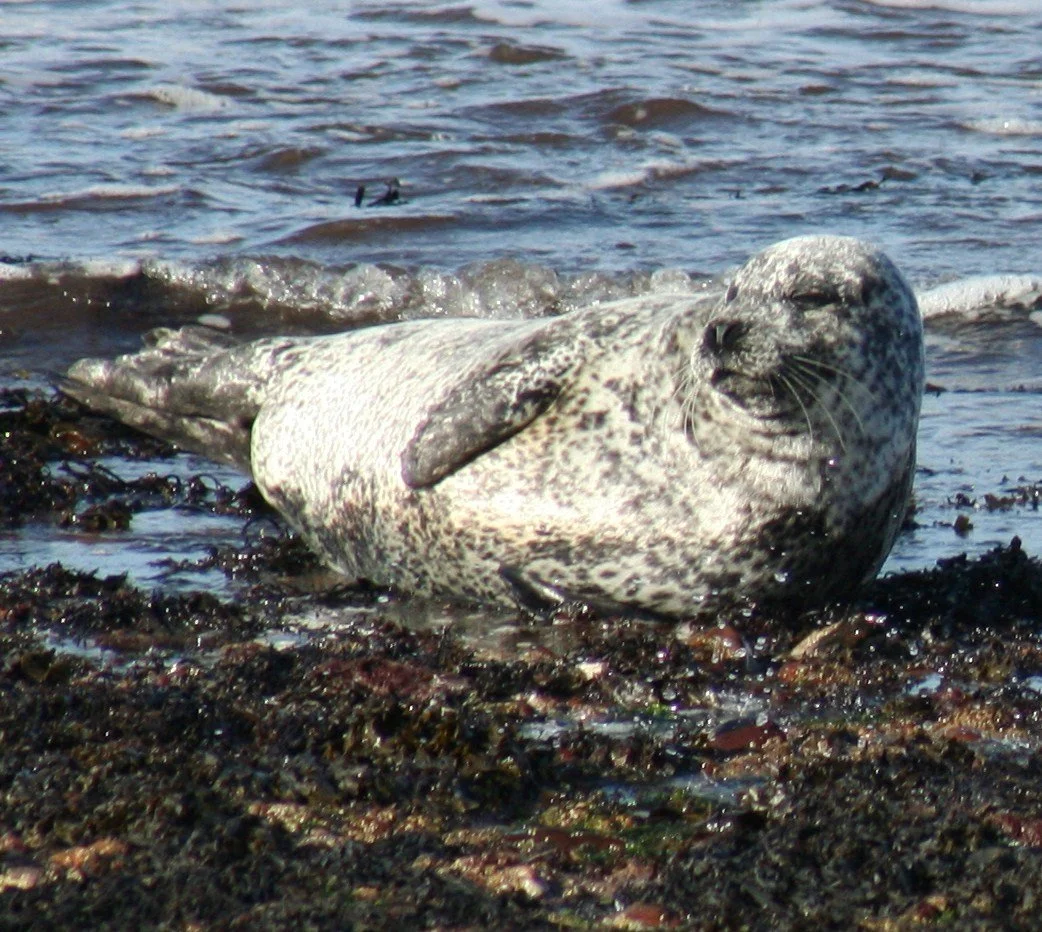
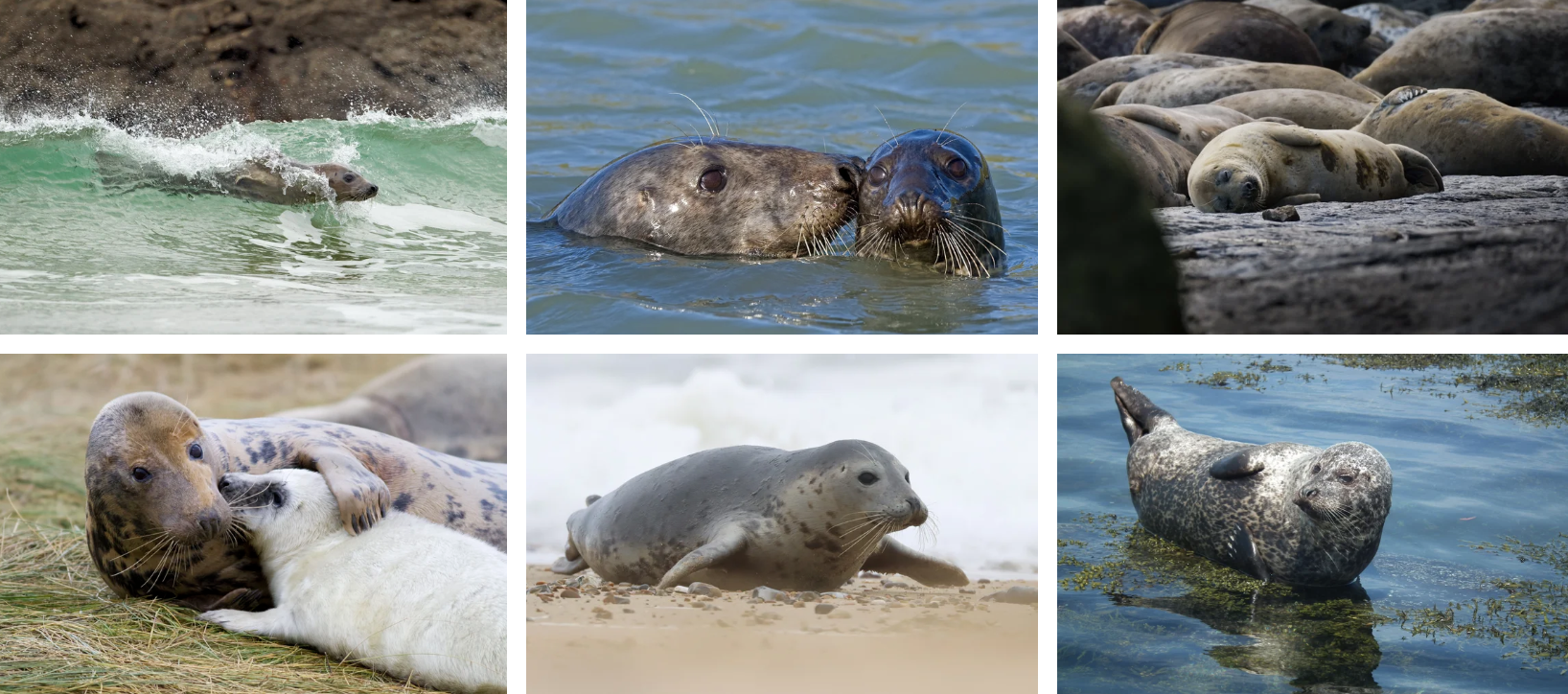
Harbour seal (Phoca vitulina)
Grey seals are larger than the Harbour seal, with blotches of pattern compared to dots or rings on harbour seal coats. Grey seals have longer broader snouts and a flat or convex profile compared to the concave forehead profile of the harbour seal, with a generally more dog-like face compared to the cat-like face of the harbour seal.
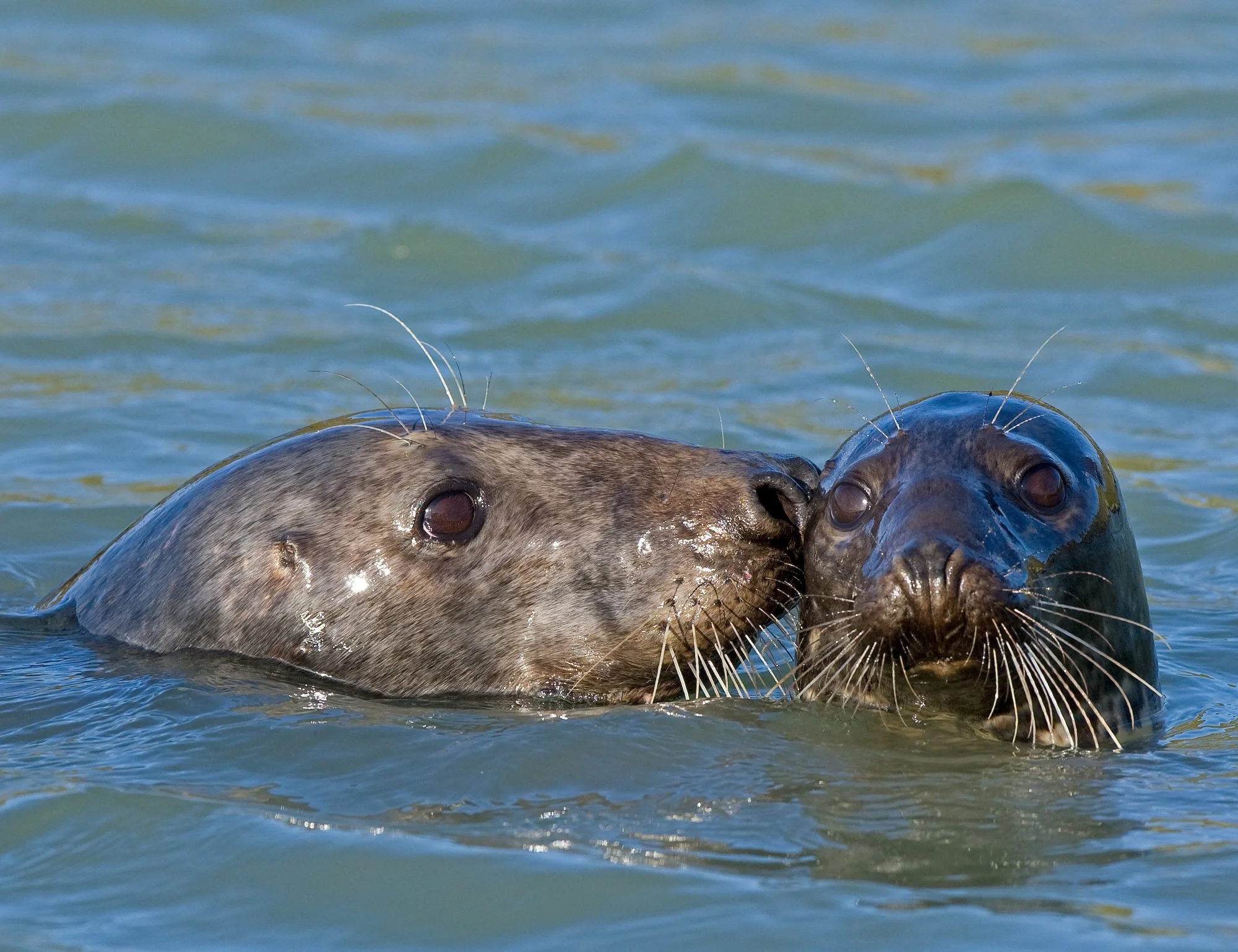
Grey seal (Halichoerus grypus)
Long, straight muzzle, compared to shorter rounded muzzle of common seal. Nostrils almost parallel and set further apart than common seal, which has v-shaped nostrils set closer together.
Harbour seal by Andrew Voice
Grey seal by Tom McDonnell
Sign up to get a reminder email
Enter your email address and we'll send you a reminder when donations open on 1st December at midday.
By entering your email address, you agree to be subscribed to our Individual Giving mailing list.
Frequently asked questions about seals
-
Photo ID work shows that seal routinely migrate around the coast with individuals following a seasonally repeated unique visit pattern to their preferred resting and pupping sites
-
Similar to many wild animals, grey seals may act defensively if they feel cornered or threatened by humans. They mostly choose flight over fight, even when cornered and do not go out of their way to attack people. However, this is not something you want to put to the test as they can cause serious injury and harmful algal blooms may increase seal aggression levels!
-
Yes! Grey seals can use unihemispheric sleep, where they hold their breaths for short periods to sleep underwater. This means only half of their brain is asleep at a time, so they still go up for air. However, they usually only use this type of sleep when they need to be vigilant to potential threats (such as during long hunting outings). Otherwise, they will still mainly sleep with their whole brains (‘bihemispheric’ sleep). They can also sleep on the seabed but tend to sleep floating in an upright position or floating horizontally at the surface. Seals get a more restful sleep when hauled out on land.
-
They can live in freshwater for short periods if there is food available, however they are adapted for a marine environment. They have amphibious vision and hearing. Seals do not drink water, producing metabolic water from the food that they eat.
-
Seals do not sing in the same way people do. They produce singing or howling and growling sounds as a form of communication. Howling is usually accompanied by flippering and generally means ‘get out of my personal space’. Seals vocalise at the surface and underwater although much of their communication is nonverbal as with humans. Growls and snarls form part of dominance interactions at haul-out sites.
Please make a donation today to protect Britain’s seals
Thanks to our pledgers and champion funder, every donation made during the appeal will be doubled. The appeal opens at midday on Tuesday 1 December and runs for one week.
Seals Research Project
We’re creating the UK's first coordinated, year-round seal monitoring framework.
Donate to Big Give
Double your donation this Christmas with the Big Give Christmas Challenge.
Get project updates
We’ll send you email updates with the latest project news and how you can get involved.